Conosciuto tramite un escursione, direi un esperienza molto piacevole. Struttura incantevole ben ristrutturata. Il menù merenda è stato eccezionale, totalmente vegan , o quasi, è stato ricco di ottime idee molto moderne e per niente banali, ricche di gusto e maestria, con prodotti di base molto valide. Consigliato.
Overview
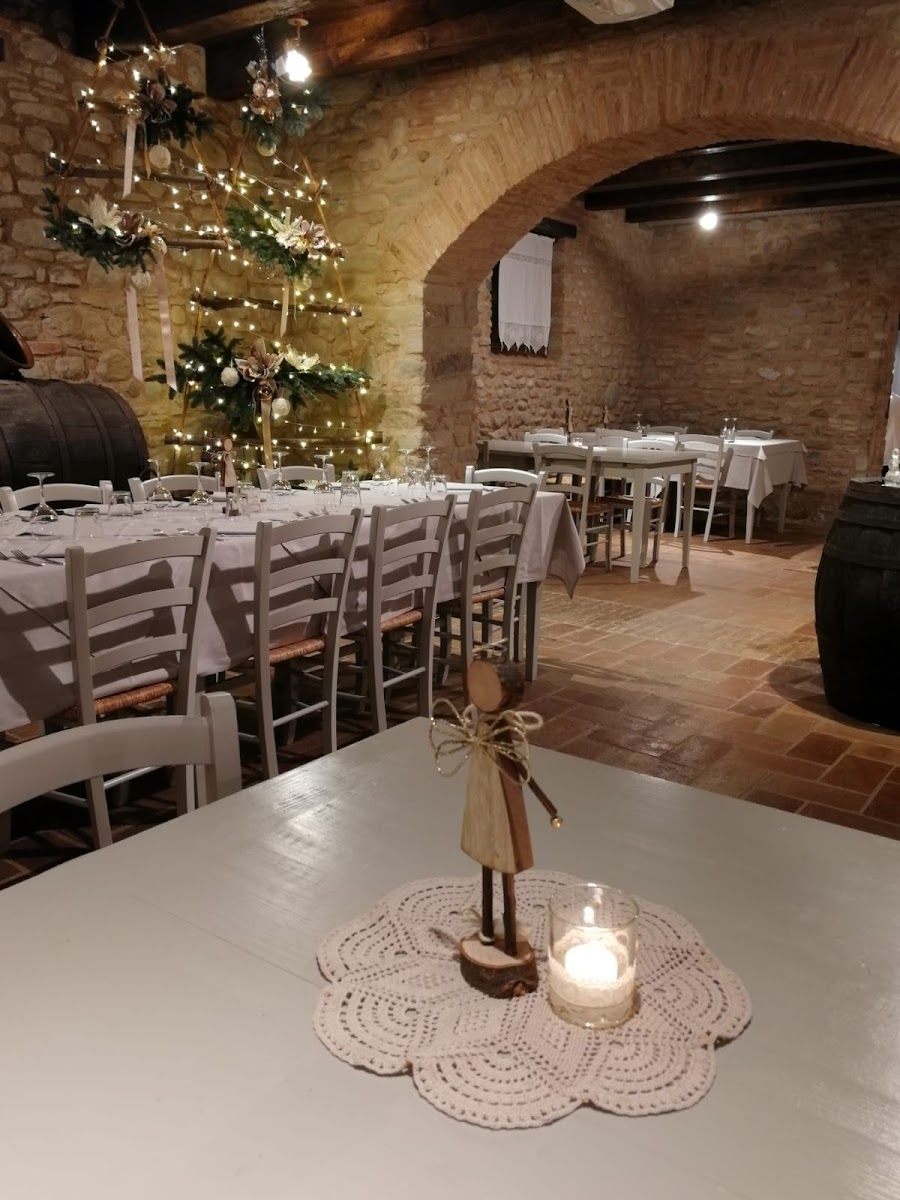
Walking into Il Pozzo Di Ferri feels like being welcomed into a friend’s countryside home rather than a formal restaurant. The drive alone sets the mood: rolling hills around Via Beverano, 100, 47020 Montenovo FC, Italy, quiet roads, and that unmistakable Emilia-Romagna calm. I first heard about this place from a local food producer while researching traditional Romagnolo kitchens, and he described it as the kind of trattoria where recipes never leave the family. That description turned out to be spot on.
The menu leans heavily into regional cooking, and that’s where the experience really shines. Fresh pasta isn’t just a selling point here; it’s a daily ritual. Watching staff roll dough early in the afternoon reminds you why handmade tagliatelle and cappelletti taste different. According to data from the Italian Academy of Cuisine, handmade pasta retains texture better and absorbs sauces more evenly than industrial alternatives, and you can genuinely taste that difference here. Dishes arrive rich but balanced, never rushed, and always tied to seasonal availability.
One afternoon, I spoke with the owner about sourcing ingredients, and he explained their method in simple terms: local farms first, long-term relationships always. Olive oil comes from a cooperative less than 30 kilometers away, while meats are selected based on animal welfare standards outlined by regional agricultural consortia. This approach mirrors recommendations from organizations like Slow Food Italy, which emphasizes biodiversity, traceability, and respect for local ecosystems. You don’t need to know any of that to enjoy the food, but it builds trust when you realize how intentional each choice is.
Reviews often mention the warmth of the service, and that reputation is well earned. Instead of scripted hospitality, you get honest suggestions and flexible portions. I once asked for half portions to try more items, and the kitchen adjusted without hesitation. That adaptability reflects deep confidence in the menu rather than rigid structure. Online reviews frequently highlight this same point, especially from returning guests who appreciate being remembered.
The dining room itself is rustic without trying too hard. Stone walls, wooden beams, and soft lighting make long meals feel natural. Families linger, couples share wine, and nobody seems in a hurry. That atmosphere aligns with studies published by the University of Bologna showing that slower dining environments increase meal satisfaction and perceived food quality. It’s not a gimmick here; it’s just how things are done.
Wine deserves its own moment. The list focuses on regional labels, many from small producers you won’t find in supermarkets. Staff explain pairings clearly, without jargon, which helps even casual diners feel confident choosing. If there’s a limitation, it’s that the menu doesn’t change dramatically week to week, but that consistency is also why locals keep coming back. You know what you’re getting, and you know it will be done well.
Location matters too. Being slightly outside major tourist routes keeps the crowd authentic. Locals treat it as a gathering place, while visitors feel like they’ve discovered something genuine. That balance is rare and increasingly valuable in Italy’s dining scene.
Everything about the experience supports one simple idea: good food doesn’t need reinvention, just respect for process, people, and place. The result is home-style cooking done right, served in a setting that encourages you to slow down and actually enjoy the meal.
Good to know
Service options
✓ Outdoor seating ✓ Dine-inHighlights
✓ Rooftop seatingOfferings
✓ Alcohol ✓ Coffee ✓ Organic dishes ✓ Vegetarian options ✓ WineDining options
✓ Lunch ✓ Dinner ✓ Dessert ✓ Seating ✓ Table serviceAmenities
✓ Toilet ✓ Wi-Fi ✓ Wi-FiCrowd
✓ Family friendlyPlanning
✓ Accepts reservationsPayments
✓ Debit cards ✓ NFC mobile payments ✓ Credit cardsChildren
✓ Good for kids ✓ High chairs ✓ Kids' menuPhotos
1 / 4
Location
Reviews
- No ratings yet 153 reviews
Caratteristico ed incantevole ambiente frutto di una ristrutturazione ben fatta che ha saputo mantenere e valorizzare il sapore e la tradizione di queste antiche terre delle colline romagnole. L'ospitalità, la cura, la gentilezza fanno da ottimo contorno ad una eccellente cucina, che si presenta con un ricco menu capace valorizzare i prodotti di questa generosa terra. Assolutamente da provare.
Locale fantastico, gestione familiare e tutto o quasi a Km0. Consigliatissimi i loro salumi. Tutto veramente buonissimo. Personale cordiale e disponibile! Lo consiglio? Si. Ci tornerei? Si
Luogo incantevole, con vista panoramica delle colline di Cesena incredibile. La cucina è ottima, ricercata senza rinunciare ai sapori tradizionali di un buon agriturismo. Ottimi anche i prodotti offerti quali l'olio e le conserve. Prezzi onesti, servizio cordiale e professionale. Consigliato sia per tutta la famiglia sia per una cena romantica, non ve ne pentirete!
Una delle prime azinede agricole della romagna a trasformare i propri prodotti in conserve e confetture. Assolutamente da provare le specialita seguendo ricette della tradizione : Saba, Savor e Fichi caramellati! top!
Ottimo tutto, dal pane fatto in casa ai dessert, facciamo tantissimi complimenti per le presentazioni, la cura e la qualità dei prodotti! A conclusione di una cena perfetta ci hanno pensato la location bella e rilassante, il panorama e il personale attento al benessere del cliente ma estremamente discreto, quasi impercettibile! Torneremo presto perché merita. 5 stelle sono poche.